

Our No-Nonsense Bulb Guide
Confused by caps? Unsure about lumens? Not certain whether to go warm, cool or somewhere in between? It happens. Lighting specs can get complicated quickly. That’s why we’ve put together this no-nonsense bulb guide. It’s clear, practical, and everything you need to make confident product decisions.
Before you order: Check the cap
The easiest way to avoid a wrong-bulb situation? Check the cap type before placing your order. Look for the sticker on the fitting or refer to the lamp’s product spec, it’s usually right there.
Cap codes use a mix of letters and numbers. The letter indicates the fitting style (screw or bayonet), and the number gives the diameter in millimetres.


Bulb shapes: watt’s watt?
Bulbs come in far more shapes than just the classic pear - slim, round, flat and more, each designed with a specific application in mind.
Need a spotlight or downlight? A reflector shape (like GU10s) is the right call. Specifying a pendant? Globe, teardrop, or candle bulbs add a considered aesthetic without compromising performance.
There are 8 common bulb shapes across residential and commercial applications, from candle to globe, reflector to stick. Getting the shape right isn’t just about fit. It affects the quality and distribution of light too.


Replacing old bulbs? Here’s what you need to know
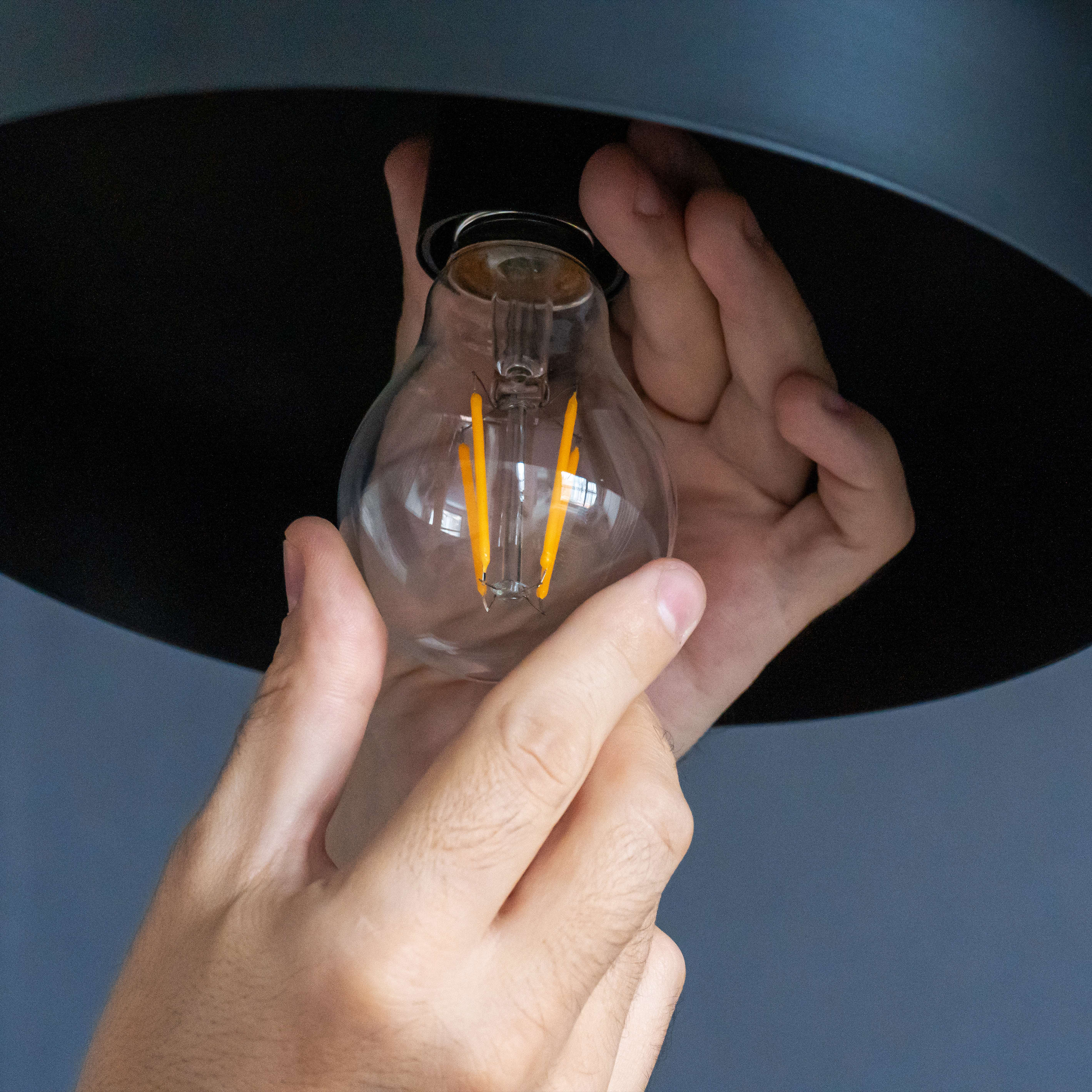
GLS bulbs are no longer in production. If a fitting still specifies one, there’s no need to redesign around it, LED technology means you can swap straight to a modern equivalent that’s smarter, brighter, and significantly more energy efficient. The key is knowing the cap type. Once you have that, finding the right LED equivalent is straightforward. It’s a simple like-for-like switch that cuts energy use and keeps the fitting performing as intended.
Bulb tech: what we recommend
At ValueLights Trade, our recommendation is straightforward: LED bulbs across the board.
They’re energy-efficient, long-lasting, and a significant step up from halogen, which have now been phased out in the UK. Whether you’re fitting out a new project or upgrading an existing one, LED is the sensible choice for performance, longevity, and running costs.
The bulb types, explained

LED
LEDs (Light Emitting Diodes) are the standard replacement for halogen and incandescent bulbs. They use up to 90% less energy, deliver strong lumen output, and have a considerably longer lifespan, making them the most cost-effective option over time.
LED smart bulbs
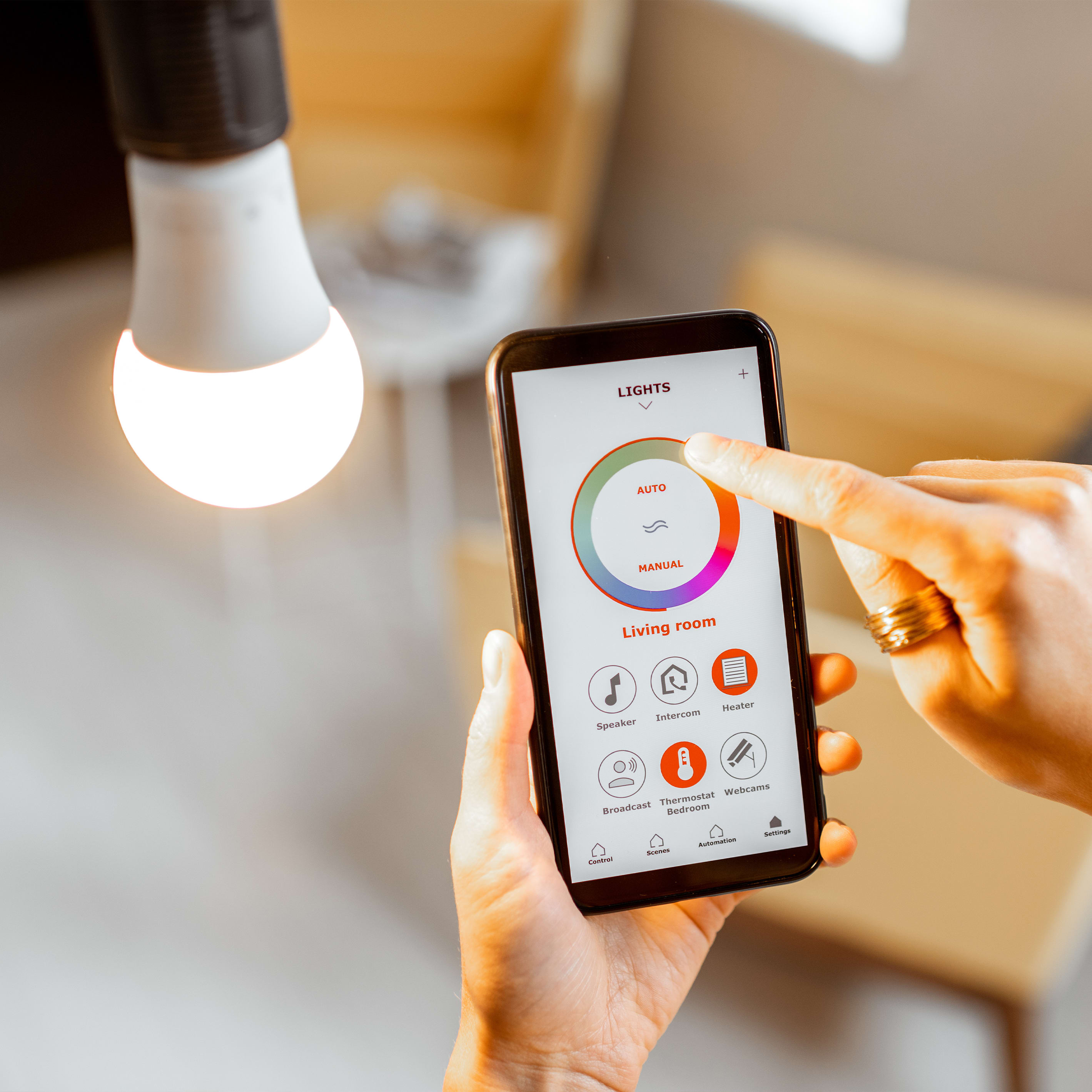
LED smart bulbs go beyond standard illumination. Available in a range of shapes and sizes, they offer features including colour-changing capability (RGB), voice assistant integration, and app or remote control. A practical upgrade for projects where added functionality is part of the brief.
LED filament bulbs
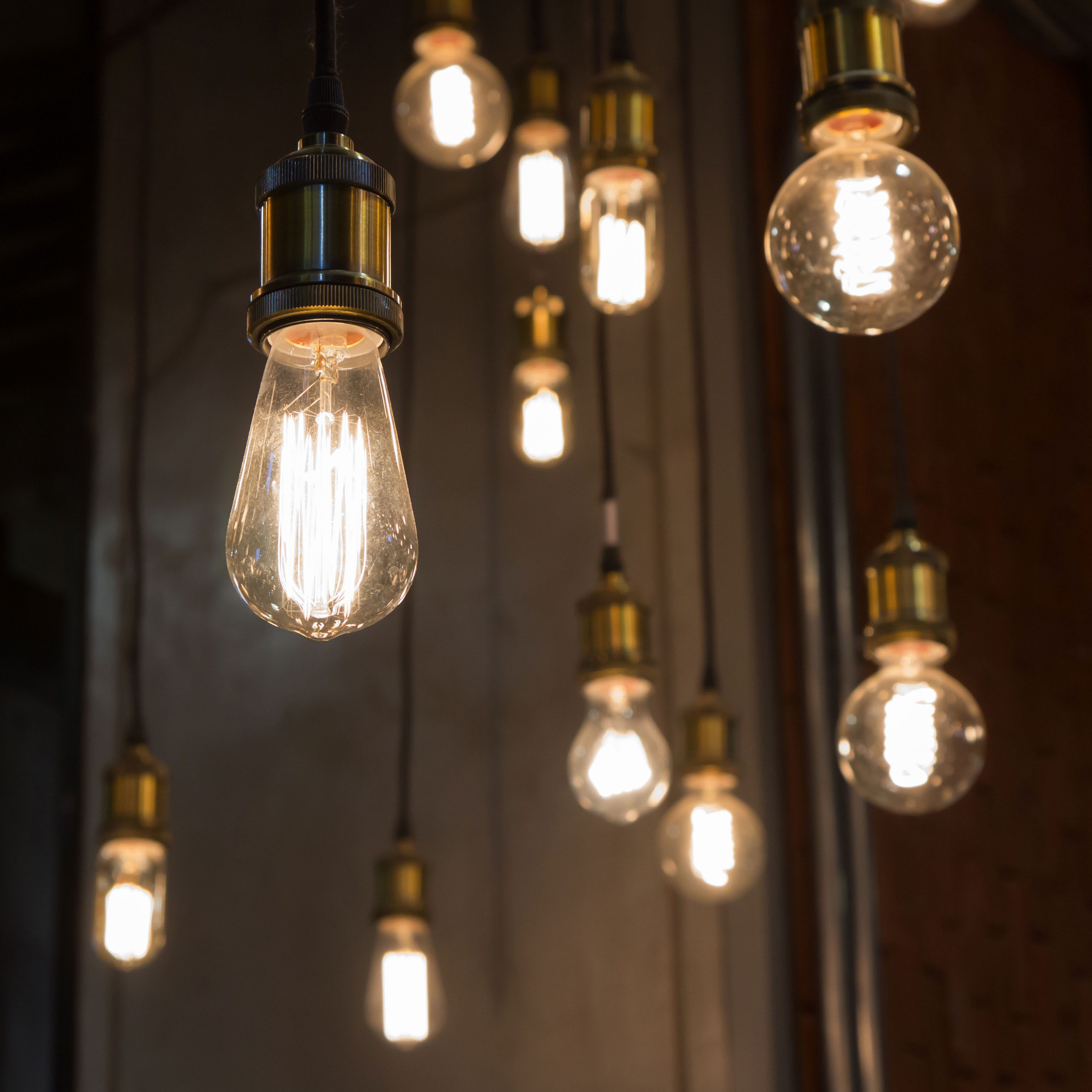
Filament bulbs combine a classic aesthetic with modern LED efficiency. The decorative wire visible inside mimics the look of traditional incandescent lighting, while the underlying technology delivers the energy savings and longevity of LED. A reliable choice where design is as important as performance.
Halogen bulbs
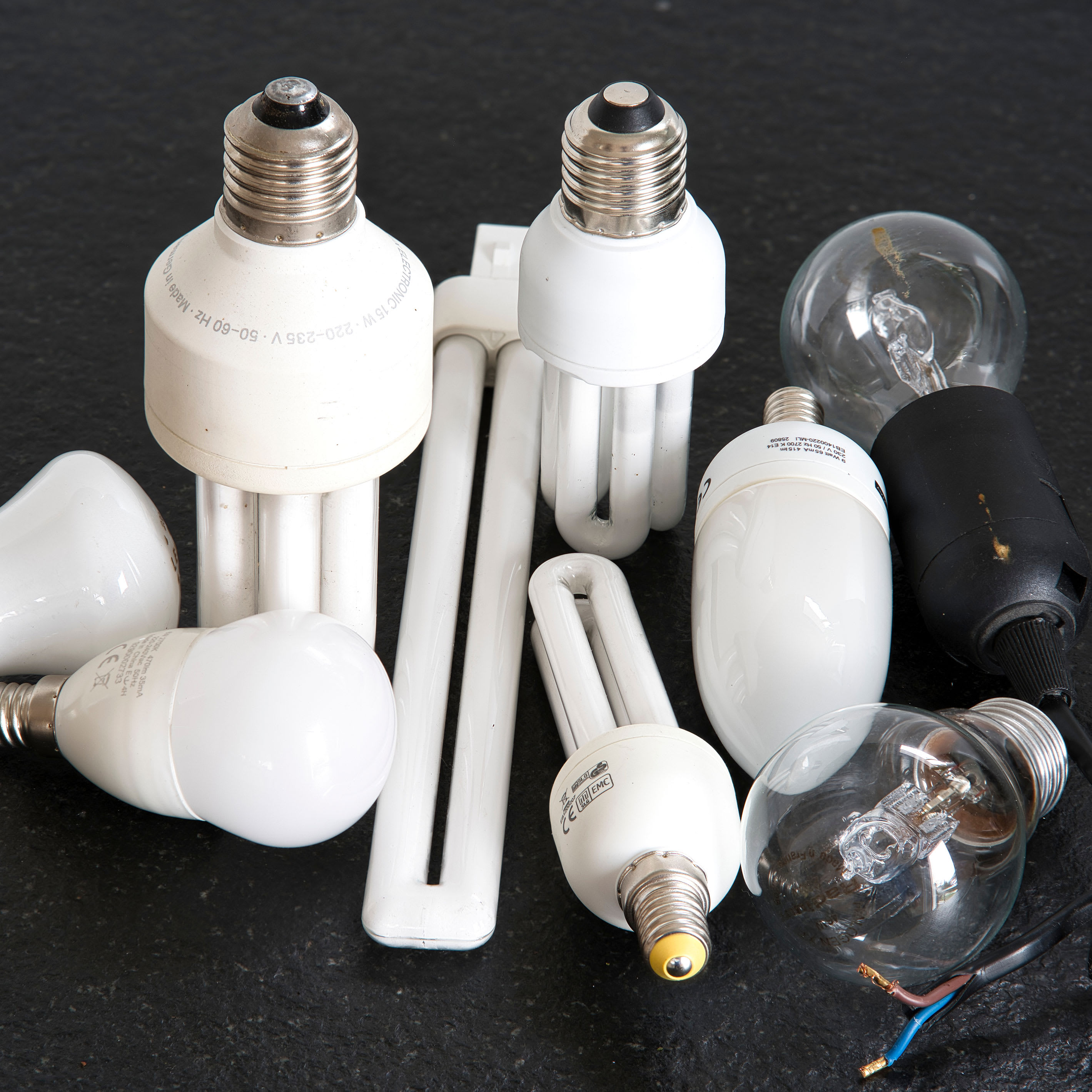
Halogen bulbs offered instant full brightness and a higher output than traditional incandescent bulbs. However, they had a shorter lifespan and higher energy consumption compared to LED. Now discontinued in the UK, they’ve been superseded by LED alternatives that outperform them on every practical measure.
Understanding brightness: Lumens
When specifying brightness, Lumens are the figure to focus on. Lumens measure the total light output of a bulb - the higher the number, the brighter the result.
Watts measure power consumption, not light output. A distinction that matters more now that LED bulbs deliver high lumen levels at a fraction of the wattage of older technologies. Always use Lumens when comparing brightness across products.
| Brightness | 220+ | 400+ | 700+ | 900+ | 1300+ |
|---|---|---|---|---|---|
| Incandescent | 25w | 40w | 60w | 75w | 100w |
| LED Bulbs | 4w | 6w | 10w | 13w | 18w |
Colour temperature: understanding Kelvins
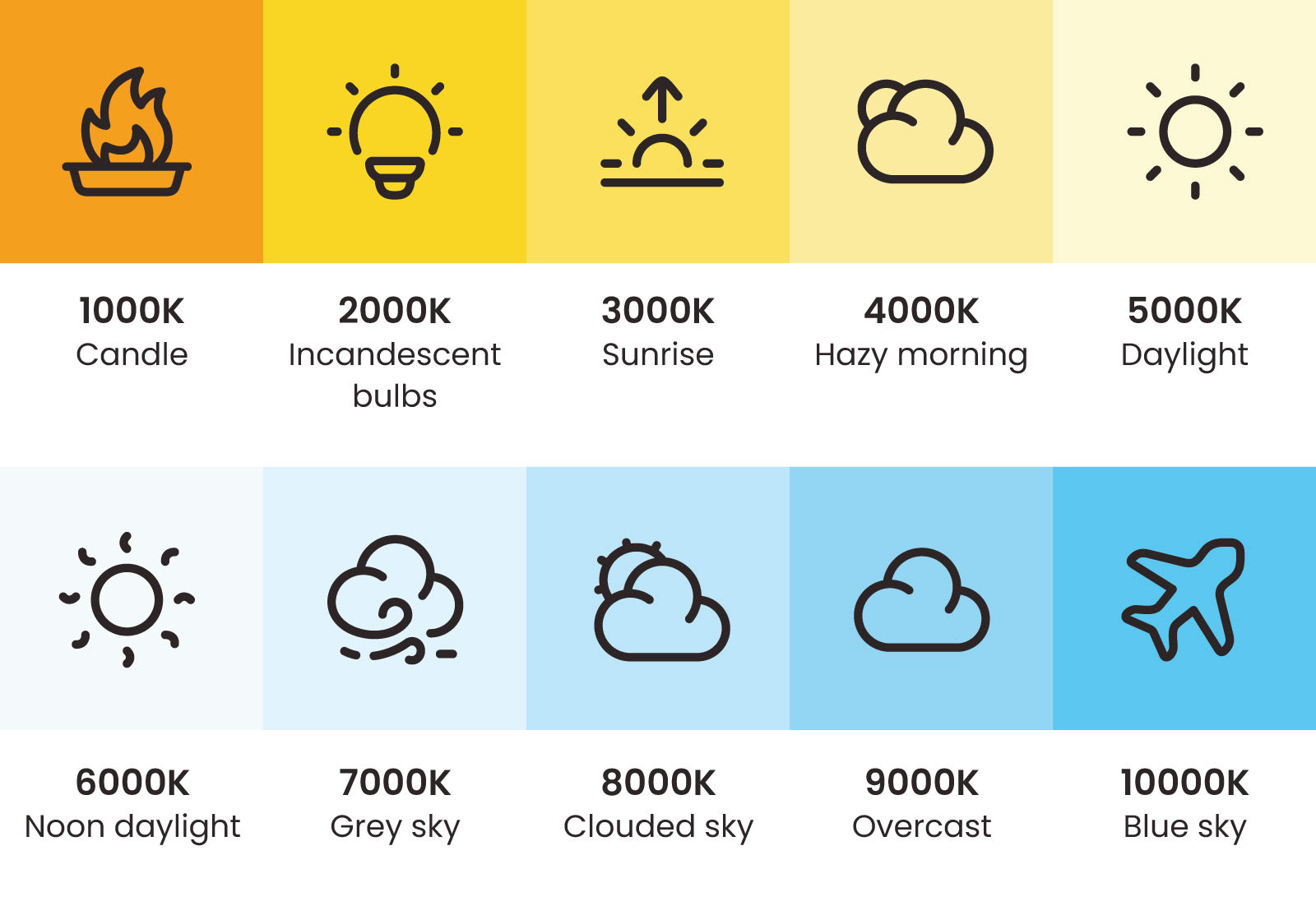
Colour temperature (measured in Kelvins) has a significant impact on the atmosphere and functionality of a space. It’s worth specifying carefully depending on the application.
- Low Kelvins (2,000–3,000K) - Warm, amber-toned light. Well suited to bedrooms, lounges, hospitality, and dining areas
- High Kelvins (5,000K+) - Crisp, cool white light. Recommended for kitchens, bathrooms, retail, and task-focused spaces
Matching colour temperature to the intended use of a space is one of the most effective ways to get the lighting right first time.
Beam angle basics
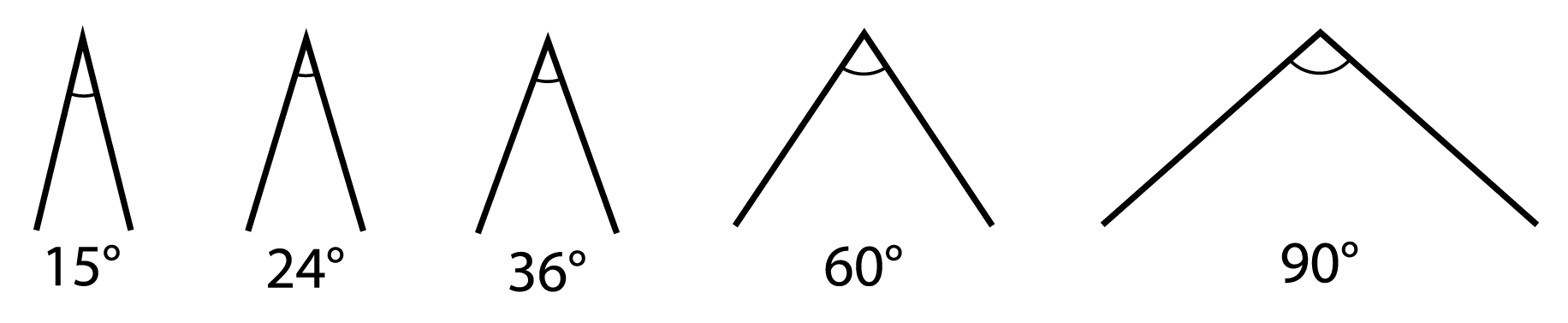
Beam angle refers to the spread of light from a bulb or fitting.
- Standard bulbs usually have a 360° beam, gently lighting up the whole area
- Spotlights and reflector bulbs produce a more directed beam, typically ranging from 40° to 110° depending on the model
For task areas, display lighting, or feature walls, a narrower beam gives better precision. For general ambient lighting, a wider spread is more effective.